


Composite vs. Wood Decks in Denver Metro: What Actually Holds Up Through Colorado Winters
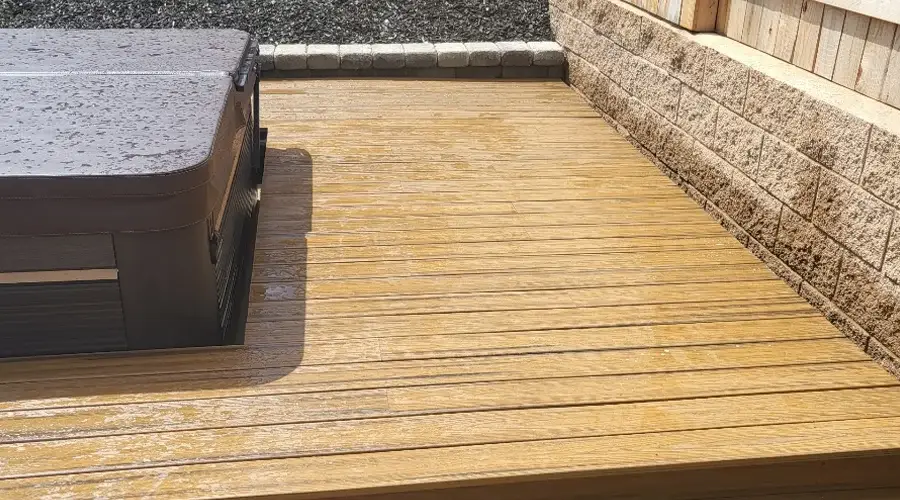
A deck is one of the most direct extensions of indoor living space a backyard can offer, but choosing the right material matters more in Colorado than in many other regions, given the combination of intense high-altitude UV exposure, heavy snow load, and repeated freeze-thaw cycles that put real stress on decking materials over time.
How Wood Decks Perform in This Climate
Natural wood decking offers a warm, classic look that many homeowners prefer, but it requires more diligent maintenance in Colorado than in milder climates. Intense UV exposure at elevation accelerates fading and drying faster than at sea level, and repeated freeze-thaw cycles can cause boards to crack, warp, or splinter if staining and sealing aren't kept up on a consistent schedule. Wood decks here typically need restaining every one to two years to maintain both appearance and protection against moisture intrusion.
How Composite Decking Performs by Comparison
Composite decking, made from a blend of wood fibers and recycled plastic, resists fading, cracking, and moisture damage significantly better than natural wood, without requiring the same ongoing staining and sealing maintenance. This makes it an increasingly popular choice for Denver Metro homeowners who want the look of a wood deck without the annual upkeep demands that our climate places on natural wood surfaces.
Snow Load and Structural Considerations
Regardless of decking material, the structural framing beneath any Colorado deck needs to be engineered for our region's snow load requirements. This affects joist spacing, beam sizing, and footing depth, and it's an area where working with an experienced local contractor matters, since a deck structure designed for a milder climate simply isn't built to handle a heavy Front Range winter safely over the long term.
Heat and Comfort Underfoot
At Colorado's elevation, direct sun exposure on darker decking materials can make surfaces genuinely hot to walk on barefoot during summer months. Lighter composite color options and certain wood species handle this better than darker materials, which is worth factoring into material selection if the deck will see heavy summer use.
Cost Comparison Over the Deck's Lifespan
Wood decking typically costs less upfront but requires more frequent maintenance investment over time — staining, sealing, and periodic board replacement as sections wear unevenly. Composite decking costs more initially but requires significantly less ongoing maintenance investment, often making it the more cost-effective choice over a deck's full lifespan, particularly for homeowners who don't want the recurring maintenance commitment wood demands.
Railing and Fastener Considerations
Beyond the decking material itself, railing systems and fasteners need to be rated for Colorado's freeze-thaw conditions and UV exposure. Lower-quality fasteners or railing hardware can corrode or degrade faster here than in milder climates, leading to loose railings or surface staining around fastener points if the wrong materials are used.
Why Professional Installation Matters
A deck built without accounting for Colorado's specific snow load requirements, UV intensity, and freeze-thaw cycles often shows problems within just a few seasons, regardless of which decking material is chosen. Proper structural engineering and material selection from the start is what determines whether a deck lasts for decades or requires significant repair within just a few years.
The team at Red Rock Outdoor Living builds decks across Thornton and Denver Metro designed specifically for our climate, helping homeowners choose the material and structural approach that actually fits how they'll use the space.

Considering a new deck for your backyard? Reach out to Red Rock Outdoor Living today.


