


%201.png)

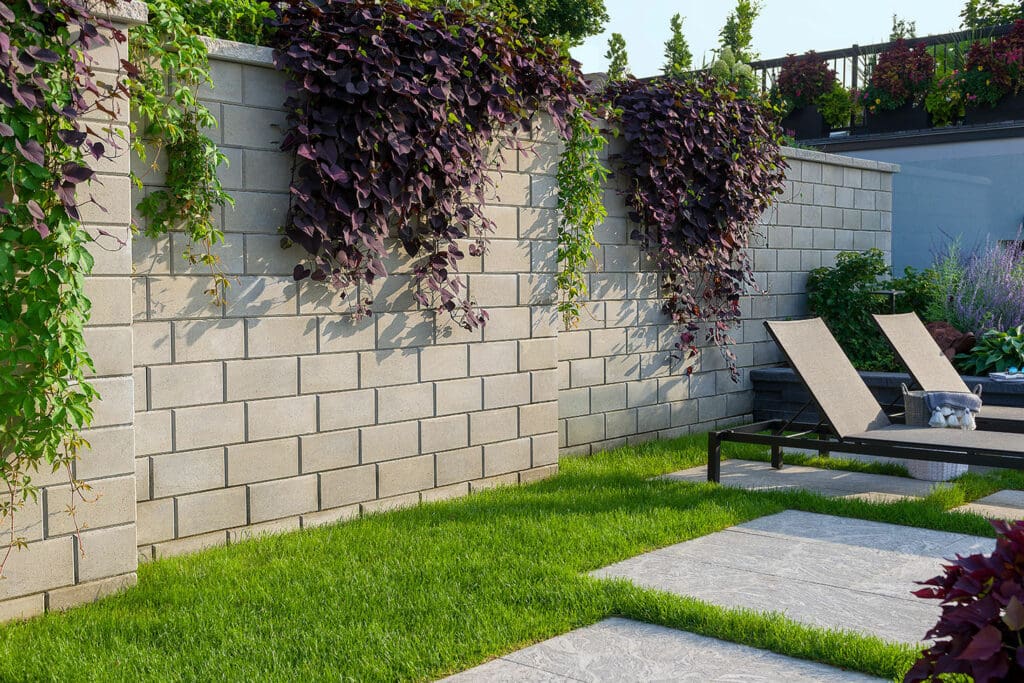
Colorado's terrain isn't always flat, and a lot of Denver Metro properties deal with slopes, grade changes, or erosion issues that natural landscaping alone can't solve. That's exactly where a retaining wall comes in — adding structure, function, and often real visual appeal to a yard that's fighting gravity.
Signs Your Yard Needs a Retaining Wall
- Visible soil erosion, especially after heavy rain or snowmelt
- A sloped yard that limits usable space for patios, lawns, or gardens
- Water pooling near your foundation due to poor grading
- Cracking or shifting in an existing, aging retaining structure
What a Retaining Wall Actually Does
Beyond just holding back soil, a well-built retaining wall creates usable, level space in a yard that previously wasn't functional — turning a steep, awkward slope into terraced areas for landscaping, seating, or lawn space. It also protects against erosion that can undermine a home's foundation or wash away landscaping investments over time.
Material Options for Retaining Walls
Segmental Block Walls — A popular, versatile option that offers strong structural performance along with a range of design choices to match a home's style.
Natural Stone — For homeowners wanting a more organic, high-end look, natural stone retaining walls blend beautifully with Colorado's natural landscape while providing the same structural benefits.
Timber — A more budget-friendly option for smaller retaining needs, though generally best suited to shorter walls with less structural demand.
Why Proper Engineering Matters
Retaining walls carry real structural loads, and a wall that isn't properly engineered — inadequate drainage behind the wall, insufficient base preparation, wrong material for the wall height — can fail over time, sometimes dramatically. Proper drainage systems behind the wall are especially critical in Colorado, where snowmelt and seasonal moisture put extra pressure on retained soil.
Combining Retaining Walls With Other Features
Retaining walls are often the foundation for other outdoor living upgrades — creating a level patio space, a terraced garden area, or even built-in seating along the wall itself. Planning a retaining wall project with these future additions in mind can save money and effort down the road.
The Retaining Wall Process
Every retaining wall project starts with an assessment of the slope, soil conditions, and drainage needs specific to the property, followed by a design that accounts for both structural requirements and the homeowner's aesthetic goals.

Whether you're dealing with erosion, wasted slope space, or an aging wall that needs replacing, a properly built retaining wall solves the problem for good. Request your free estimate and let's talk about your yard.


.svg)
.svg)