


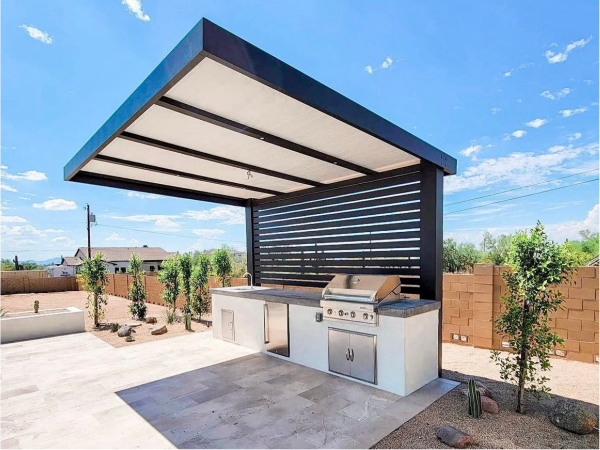
A patio without any overhead structure can feel exposed and underused, especially during Colorado's intense midday sun at elevation, where UV exposure is noticeably stronger than at sea level even on mild days. A pergola solves this by giving a patio a defined ceiling and partial shade, without fully enclosing the space the way a solid roof would. But building one that holds up through a Front Range winter takes more engineering consideration than homeowners typically expect.
Why Snow Load Is the Defining Factor Here
Unlike warmer climates where wind and rain are the primary structural concerns, Colorado pergolas and outdoor structures need to be engineered around accumulated snow weight, which can be substantial during a heavy Front Range winter. This affects everything from post spacing and beam sizing to footing depth, and it's one of the most commonly overlooked factors when homeowners compare a locally built structure to a generic kit purchased online.
Pergola vs. Other Structure Types
We build several different structure types depending on how a space will actually be used. Traditional open-lattice pergolas provide partial shade while letting light filter through, ideal for defining a dining or lounge area without fully blocking the sky. Louvered, adjustable pergolas use rotating aluminum louvers that let homeowners control shade and precipitation protection on demand, which works particularly well given how quickly Colorado weather can shift from sunny to a sudden afternoon storm. Fully roofed pavilions provide complete weather protection and are often the better choice over an outdoor kitchen or larger entertaining area where full coverage matters more than partial shade.
Material Choices for High-Elevation UV and Winter Conditions
Cedar and other quality woods offer a warm, natural look but require more regular staining and sealing here than in milder climates, given the intensity of high-altitude UV exposure combined with heavy snow load sitting on the structure through winter months. Aluminum structures resist warping, cracking, and UV degradation significantly better and have become an increasingly popular choice for Denver Metro homeowners who want a lower-maintenance option that performs reliably through repeated freeze-thaw cycles.
Structural Engineering Specific to This Region
We size posts, beams, and footings according to local building code and expected snow load for the Thornton area specifically, rather than applying a generic structural plan meant for a milder climate. Where required, we also handle permitting to ensure the structure is fully compliant, protecting homeowners from complications at resale or during future inspections.
Pairing Structures With Existing Hardscape
Pergolas rarely function well as standalone additions — they're most effective when integrated with a patio, outdoor kitchen, or fire feature underneath. We plan post placement and structure footprint around what's happening beneath it, ensuring no awkward post positioning interrupts seating, cooking zones, or walkways.
Why Professional Installation Matters
A pergola that isn't properly engineered for Colorado's snow load can fail or require costly repair within just a few winters. Working with a contractor who understands local building requirements and actual regional weather conditions is what separates a structure that lasts decades from one that becomes a liability after the first heavy snow.
The team at Red Rock Outdoor Living designs pergolas and outdoor structures across Thornton and Denver Metro engineered specifically for our snow load and sun exposure, not adapted from a generic national template.

Ready to give your patio the shade structure it's missing? Reach out to Red Rock Outdoor Living today.


